
The Truth of the Fictional Recovery
Big BrotherThis flow follows the novel’s shift from a seemingly complete redemption story to an explicit confession that the central recovery was imagined.
increasing Bearing strength in each event
 decreasing
Bearing strength in each eventdecreasingA Story of Rescue
An Appealing Arc
A clear mission
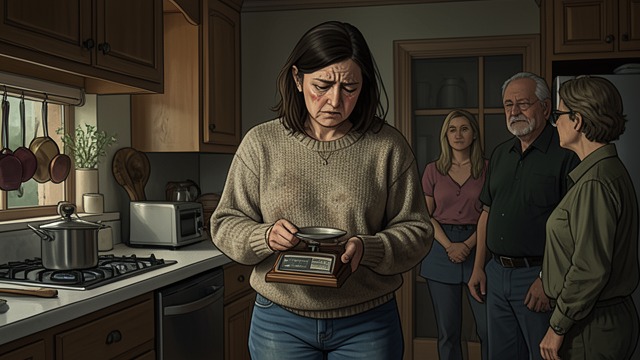
Pandora’s imagined account gives Edison a measurable target and gives her a concrete role as coach. Their move, regimen, setbacks, and milestones form a coherent story of rescue.
A wish with stakes
The plan also answers Pandora’s need for purpose and offers the reader the satisfaction of visible progress. Its emotional force makes the eventual admission of fiction more painful, because the invented events have come to carry genuine meaning.
The Celebrated Transformation
A Public Triumph
A target surpassed
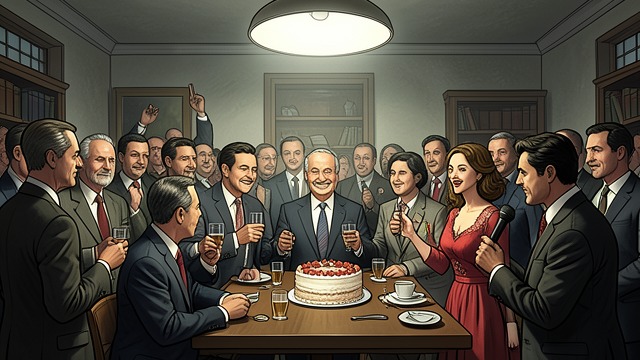
In Pandora’s constructed version, Edison reaches 161 pounds and celebrates with family, friends, employees, and musicians. Fletcher honors the chocolate-cake bet, while Edison publicly thanks Pandora for believing in him.
A complete-feeling ending
The party gathers the separate strands of health, music, family, and community into a single triumphant scene. Its emotional completeness is precisely what makes the narrator’s later correction essential.
The Ending Falls Apart
The Old Compulsion Returns
Cake becomes a test
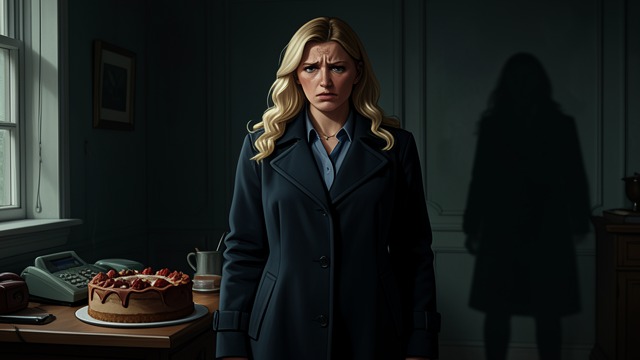
After Pandora and Fletcher reconcile privately, Edison secretly eats the remaining cake and challenges Pandora’s authority. The celebration’s success immediately gives way to the familiar cycle of bingeing and separation.
No fairy-tale landing
Pandora leaves rather than restarting the project, and the imagined story refuses an easy conclusion. Even its most hopeful version contains the possibility of failure and the limits of one person’s support.
The Confession of Invention

Pandora Withdraws the Claim
What was imagined
Pandora states that the apartment, liquid diet, dramatic weight loss, and yearlong transformation did not happen. The actual visit lasted two difficult months, and she did not offer the rescue she has described.
What remains true
Her account is not a claim that events occurred but an exploration of what she wished she had done. The confession changes the novel from a recovery narrative into a meditation on responsibility, regret, and the stories people tell themselves.
A Parallel Universe of Regret
The Unlived Year Persists
Imagined memories endure
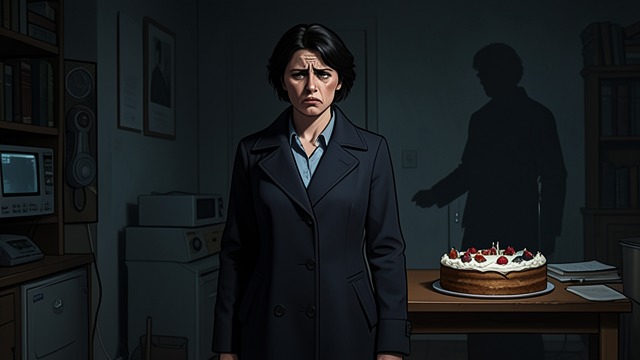
Pandora continues to picture the meals, music, flood work, and successful weigh-in from the invented version. These scenes have become emotionally vivid despite their factual unreality.
Regret is the real ending
She recognizes that the fantasy lets her believe that an intervention might have failed anyway, excusing her from testing what she could have offered. Edison’s death leaves her paying for the choice she did make, not the rescue she imagined.
Across the imagined year at Prague Porches
At the imagined December 6 celebration
At the imagined party’s closing moments
At the opening of the final chapter
After Edison’s death, in the final pages
